Not every hot bat stays hot. These five have earned a reputation the hard way: real swings, real exit velocity, and seasons of proof.
If you're serious about maximizing performance, I'd start with these five BBCOR bats. There are plenty of good options, but these consistently show up in the hands of high school, travel ball, and college players.
Before I jump in, let me say one thing: All the newer bats have similar performance. You may be better off picking the correct BBCOR bat size than hunting for the newest model.
Also, you may want to start with our USSSA to BBCOR transitioning guide if you're just moving to BBCOR.
1. Louisville Slugger Atlas BBCOR
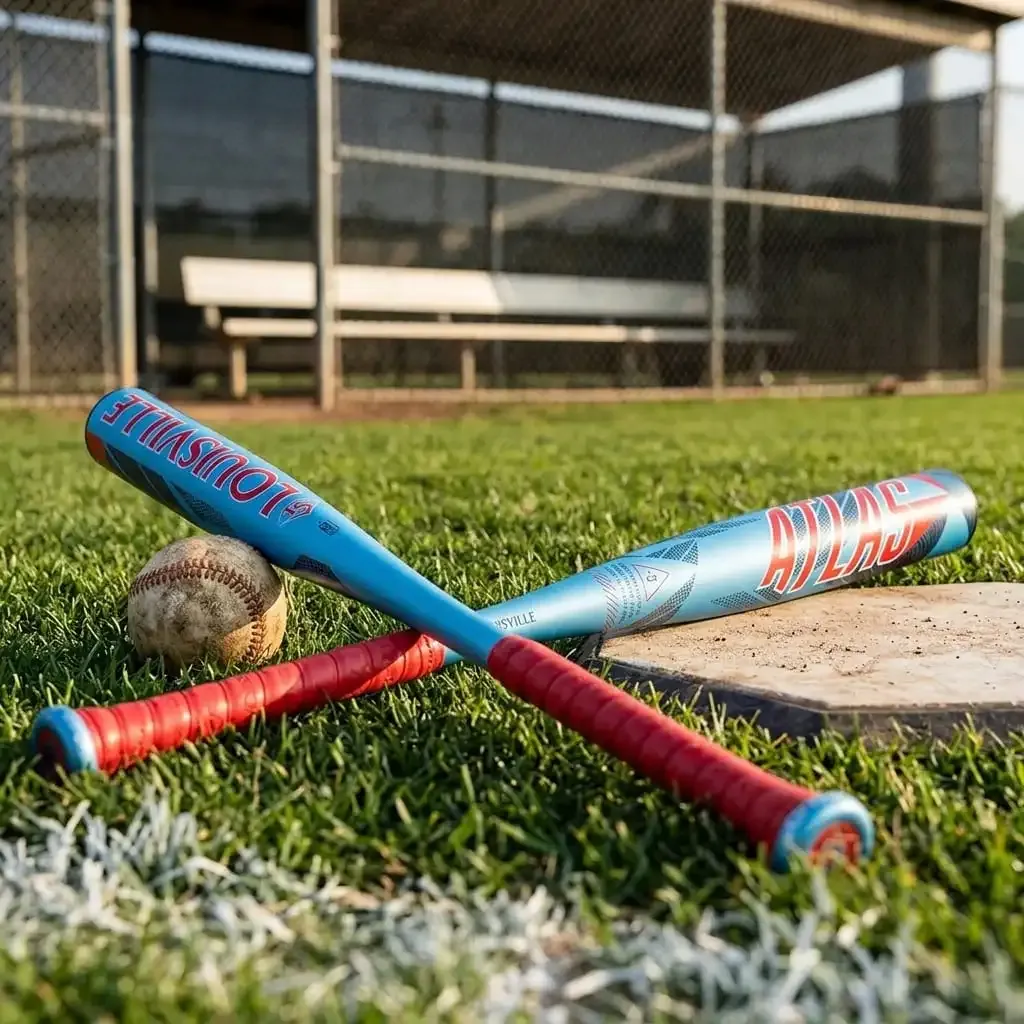
Best Overall
The Atlas has become the benchmark for one-piece alloy BBCOR bats.
Why players love it:
- Huge sweet spot for a one-piece bat
- Elite barrel control
- Very balanced swing weight
- Consistently high exit velocities
The Atlas is one of those rare bats that works for almost everyone, from contact hitters to gap-power guys.
Best for: All-around hitters who want performance without sacrificing bat speed.
Sometimes a kid doesn't need a new swing. Sometimes he just needs a bat he can actually get through the zone.
I watched it happen with a smaller kid on my son's team.
Every at-bat looked the same. Good athlete. Good effort. But when the velocity ticked up, he was always just a fraction late. Not wildly overmatched. Just late enough. The barrel lagged behind the pitch, and the result was a collection of weak fouls, jam shots, and that frustrated walk back to the dugout that every baseball parent recognizes.
The funny thing? Everyone naturally starts looking at mechanics.
Maybe his load is too slow.
Maybe his stride is too big.
Maybe he needs more tee work.
Maybe he needs more reps against velocity.
Those things matter, sure. But sometimes we overcomplicate the problem.
Then one day he picked up a Louisville Slugger Atlas BBCOR.
Not his bat. Just a bat.
The difference was immediate.
Suddenly, pitches that had been beating him to the spot weren't beating him anymore. He wasn't cheating to get started. He wasn't rushing. The barrel simply arrived on time. Fastballs he used to foul straight back were getting driven into the gaps. The swing looked smoother even though, from where I was standing, it didn't look much different.
That's what people miss about bat fit.
A bat can make a swing look better without changing the swing itself.
The Atlas has developed a reputation for exactly that reason. It tends to feel lighter through the zone than its listed weight suggests. For smaller players, younger BBCOR hitters, or kids still building strength, that matters. A lot. A player who is fighting a bat every swing is spending energy just getting to contact. A player swinging something that matches his strength can focus on competing.
And here's the part I find interesting.
We love the idea that better performance comes from grinding harder. More cage sessions. More lessons. More drills.
But baseball occasionally hands you a humbling reminder: equipment matters.
Not because a bat creates talent. It doesn't.
The kid still had to recognize the pitch. He still had to make a good swing. He still had to be brave enough to stand in there against velocity.
The Atlas didn't give him those things.
What it gave him was a chance for the talent he already had to show up on time.
That's a much different thing.
After watching that transformation, I've become a lot less quick to assume every late swing is a mechanical issue. Sometimes the answer isn't hidden in a dozen slow-motion videos. Sometimes it's sitting in the bat rack.
And when a smaller hitter suddenly starts turning fastballs around after switching bats, I pay attention.
Because I've seen it happen. Once upon a time, a kid was always late. Then he picked up a different bat. And the game got a whole lot easier.
2. Victus Vandal BBCOR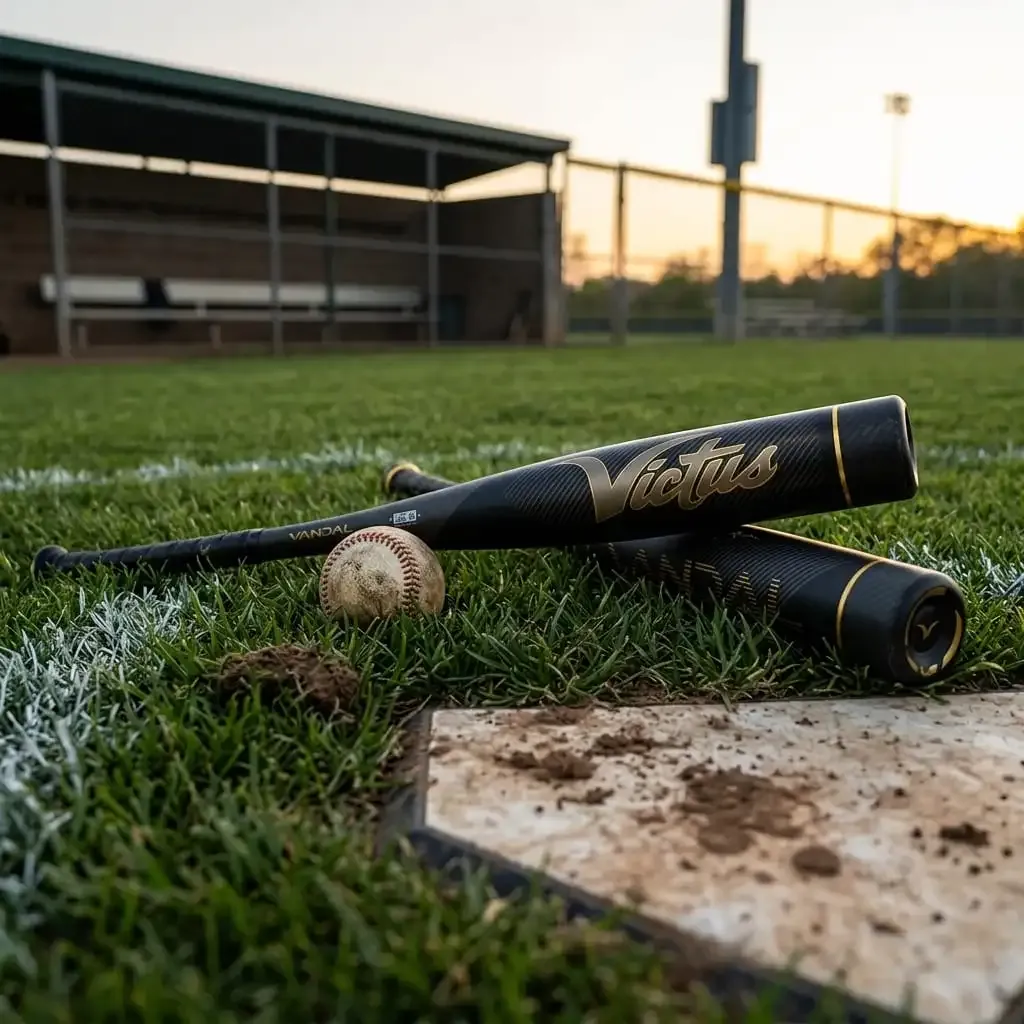
Best Value
The Vandal is ridiculously good for the price.
Why it stands out:
- Extremely light swing feel
- Easy to get through the zone
- Great for developing hitters
- Strong performance compared to premium bats
If I were buying one bat for a freshman or sophomore and wanted maximum bang for the buck, this would be near the top of my list.
Best for: Hitters prioritizing bat speed and value.
The worst hitter on our team is moving up the batting order.
A month ago, I wouldn't have believed that sentence if you paid me.
Every team has that kid. The one everybody roots for. The one who shows up, works hard, never complains, and then somehow finds himself hitting eighth, ninth, or wherever coaches hide the lineup card from opposing scouts.
That was him.
Good kid. Tough kid. Just not a dangerous hitter.
Pitchers weren't scared of him. Parents weren't circling his at-bats. If he put a ball in play, it felt like a small victory.
Then he started swinging a Victus Vandal BBCOR.
And now we're having completely different conversations.
The first thing I noticed wasn't exit velocity or launch angle or any of the buzzwords that have invaded youth baseball. It was how easy the swing looked.
Before, every swing looked like work.
Now the barrel just flies.
Fastballs that used to tie him in knots are getting squared up. He's getting the head out on pitches he couldn't touch earlier in the season. The ball is jumping off the bat with a sound that makes parents put their phones down and look up.
You know the sound.
Not a lucky flare.
Not a broken-bat single.
The sound that says, "Okay... that was different."
The funny part is that if you freeze-frame his mechanics, they haven't changed much. Same kid. Same stance. Same approach.
Different results.
That's why I'm convinced a lot of people underestimate bat fit.
We love baseball because it's supposed to reward work. And it does. Mostly.
But there are moments when equipment reveals something that was already there.
The Vandal seems built for hitters who need help creating bat speed. It doesn't feel like you're dragging a BBCOR bat through quicksand. For certain players, especially the ones who aren't the strongest guys on the roster, that's a big deal.
A huge deal, actually.
When you're constantly a fraction late, baseball feels impossible. Every pitcher looks harder than he is. Every at-bat feels rushed. Confidence starts leaking away one swing at a time.
Then suddenly you're on time.
Everything changes.
Pitches look slower.
The field looks bigger.
The game gets quieter.
I don't think the Vandal turned this kid into a different player. That's not how baseball works.
What I think happened is simpler.
The bat got out of the way.
The strength he had was enough. The mechanics he had were enough. The confidence hiding underneath all those weak grounders was enough.
He just needed something he could actually swing fast.
Now he's hitting line drives.
Now coaches are talking about moving him up.
Now opposing teams actually know who he is.
And every time I watch him hit, I'm reminded of something baseball teaches over and over:
The gap between struggling and succeeding is sometimes way smaller than people think.
Sometimes it's years of development.
Sometimes it's a thousand reps.
And sometimes the kid at the bottom of the lineup picks up a Victus Vandal and suddenly starts looking like he belongs in the middle of it.
3. Marucci CATX2 BBCOR
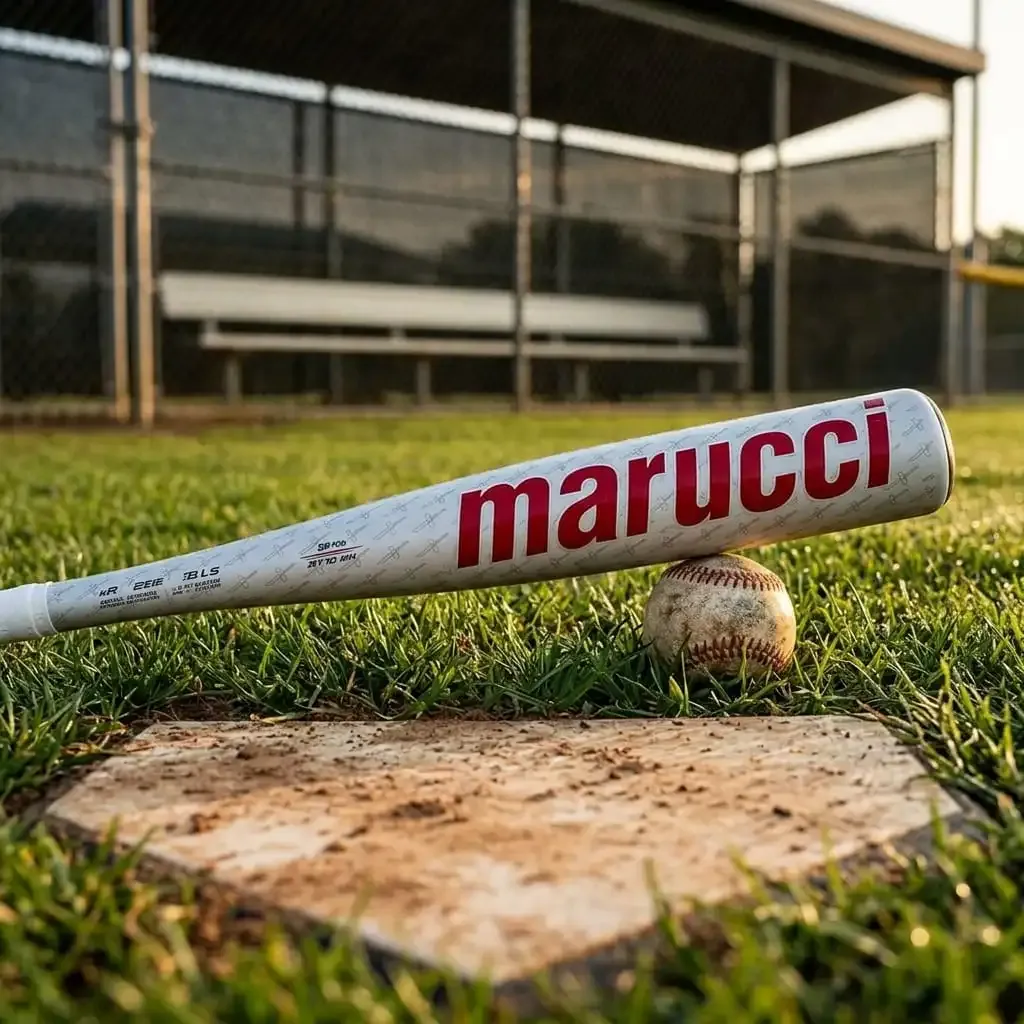
Best One-Piece Power Bat
Marucci keeps refining the CAT series, and the CATX2 is arguably the best version yet.
What makes it special:
- Stiff, powerful feel
- Excellent balance between control and pop
- Large sweet spot
- Outstanding durability
Players who like a traditional alloy feel tend to love this bat.
Best for: Strong hitters looking for power and consistency.
One of our best hitters stopped chasing the sky and started living in the gaps. The only thing that changed was the bat.
One of the top hitters on our team had a problem that sounds ridiculous when you say it out loud.
He was hitting the ball too well.
Not in the scorebook. Not in the stat sheet. In batting practice.
Every swing produced that beautiful sound coaches love. The ball jumped off the barrel. Parents nodded approvingly. Teammates whistled.
Then the game started.
Pop-up.
Pop-up.
Deep fly ball.
Another pop-up.
He wasn't getting cheated. He wasn't weak. If anything, he was creating too much lift. The barrel seemed to slide under baseballs that should have been screaming through the middle of the field.
For a while, everyone searched for answers in mechanics.
Maybe he's pulling off.
Maybe he's dropping his shoulder.
Maybe his timing is off.
Maybe it's just baseball being baseball.
Then he switched to a Marucci CATX2 BBCOR.
And something changed.
Not overnight. Not like one of those fake internet stories where a hitter suddenly goes 4-for-4 and starts receiving scholarship offers before the bus ride home.
Just gradually.
The towering fly balls started becoming hard line drives.
The routine outs became doubles.
The loud contact stayed loud, but the ball's flight path looked completely different.
The thing I kept noticing was how often the barrel seemed to stay through the hitting zone. He wasn't clipping the bottom of the baseball as much. He wasn't creating those majestic outs that make everyone say, "Man, he just missed it."
He stopped missing it.
That's really the story.
One of my least favorite phrases in baseball is "just missed."
After a while, if a hitter is constantly just missing, he's not actually just missing. He's missing.
This bat seemed to shrink that gap.
The CATX2 has a reputation for feeling balanced while still delivering serious feedback on contact. For some hitters, that's the sweet spot. They can feel where the barrel is without fighting the weight of the bat, and the result is more consistent barrel accuracy.
That's what I saw.
Not more strength.
Not a wholesale swing reconstruction.
Just more barrels finding the middle of the baseball.
And here's what's funny.
If you asked most people to identify the difference, they'd probably talk about exit velocity. That's what gets attention now. Everyone wants the biggest number.
I'd take barrel consistency every day of the week.
A line drive hitter is terrifying.
Line drives become singles. Singles become doubles. Fielders get pressured. Defenses make mistakes. Pitchers start working differently.
Pop-ups are just strikeouts that took longer.
The more this kid swung the CATX2, the more line drives appeared. The more line drives appeared, the more confidence showed up. And confidence in baseball is one of those things nobody can measure but everybody can see.
Once upon a time, one of our best hitters kept hitting balls straight up.
Every day, people searched for the mechanical flaw.
Then he picked up a different bat.
Because of that, the barrel found the ball more often.
Because of that, line drives replaced pop-ups.
Because of that, the numbers started looking like the quality of hitter he'd always been.
The lesson wasn't that the bat created the player.
The lesson was that sometimes a player is already there.
He's just waiting for the right tool to let him show up.
4. Rawlings Clout AI BBCOR
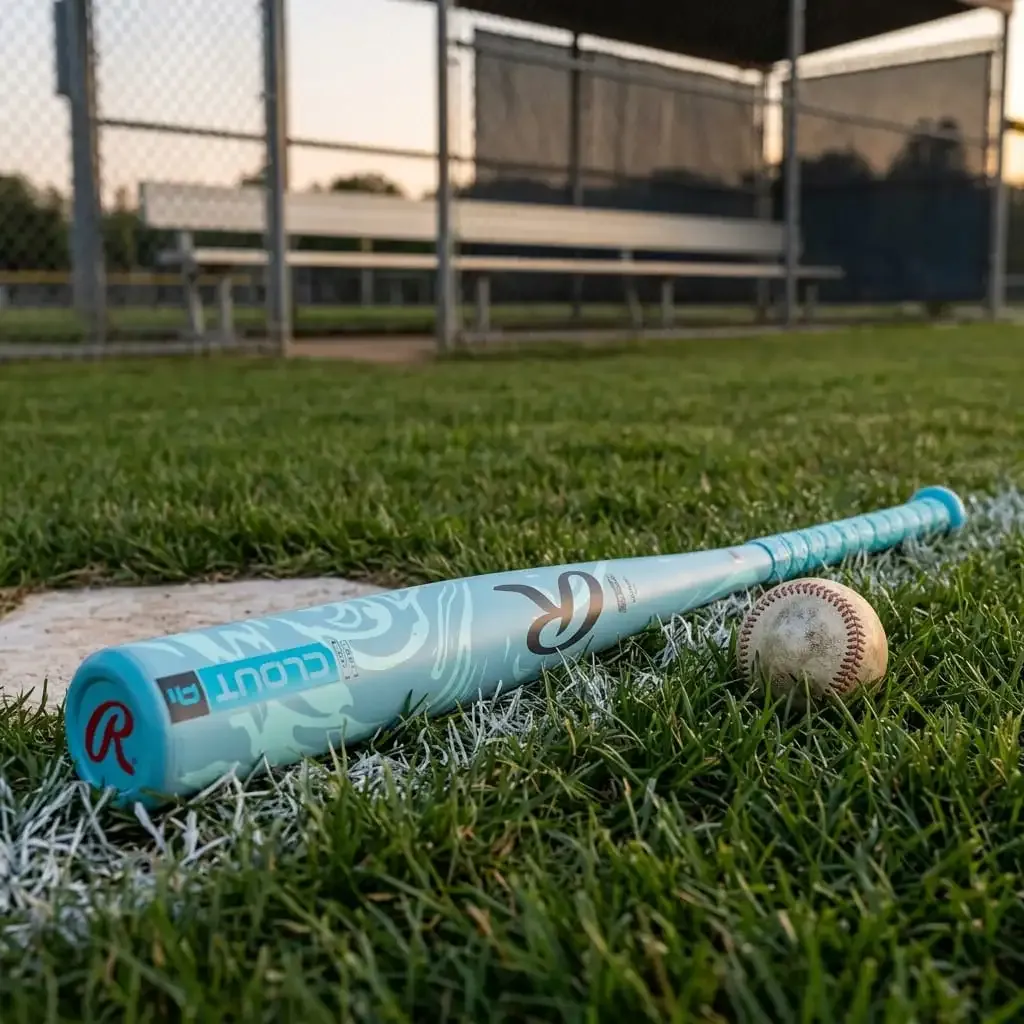
Most Interesting Technology
Rawlings used AI-assisted barrel design to optimize performance across the hitting surface.
What players notice:
- Hot feel across the barrel
- Surprisingly forgiving
- Balanced swing weight
- Elite feedback on mishits
The buzz around this bat isn't just marketing. It performs.
Best for: Players wanting cutting-edge design with a balanced feel.
The most telling bat review isn't from internet rankings. It's when half a dugout wants a turn with the same bat.
A lot of kids on our team love the Rawlings Clout AI BBCOR.
And honestly, that's become one of my favorite ways to judge a bat.
Not exit velocity tests.
Not influencer reviews.
Not marketing claims.
Kids.
Baseball players are ruthless equipment critics. They'll abandon a bat after three swings if it doesn't feel right. They'll blame a bat for everything short of bad weather. If a bat is actually good, word spreads through a dugout faster than any advertisement ever could.
That's what happened with the Clout AI.
Once upon a time, it belonged to one player. Every day, other kids would ask for a swing in batting practice. One day, somebody squared up a ball. Because of that, another kid wanted to try it. Because of that, another kid borrowed it during cage work. Until finally it felt like half the roster had convinced themselves they needed one.
The interesting part is that these weren't all the same type of hitters.
Big kids liked it.
Smaller kids liked it.
Contact hitters liked it.
Power hitters liked it.
That's usually a sign that a bat is doing something right.
Most bats have a very specific audience. You hand them to ten players and maybe two or three immediately click with them.
The Clout AI seemed different.
What I kept hearing was some version of the same comment:
"It just feels easy."
That's not a scientific measurement. It won't show up on a data sheet.
But if you've spent enough time around baseball, you know exactly what it means.
The swing feels connected.
The barrel feels predictable.
The hitter isn't fighting the bat.
That's a bigger advantage than people realize.
A lot of baseball frustration comes from uncertainty. A hitter steps in wondering whether he'll get the barrel there in time. Wondering whether the bat feels too heavy. Wondering whether the swing will feel right today.
Confidence starts disappearing before the pitcher even throws the ball.
Then a kid picks up a bat that feels natural.
The second-guessing gets quieter.
The swing gets freer.
The results usually improve.
I'm not claiming the Rawlings Clout AI BBCOR is some magic wand. Baseball doesn't allow magic wands. If it did, we'd all own one.
Kids still have to work.
They still have to recognize pitches.
They still have to survive slumps.
But every now and then a piece of equipment earns the respect of an entire dugout. Not because of hype. Because players keep getting the same result when they pick it up.
That's what I've seen with the Clout AI.
When one kid likes a bat, that's an opinion.
When a lot of kids like the same bat, that's evidence.
And when players keep asking, "Can I take a few swings with that thing?" you should probably start paying attention.
Because dugouts have a way of discovering good bats long before the internet does.
5. Louisville Slugger Select PWR BBCOR
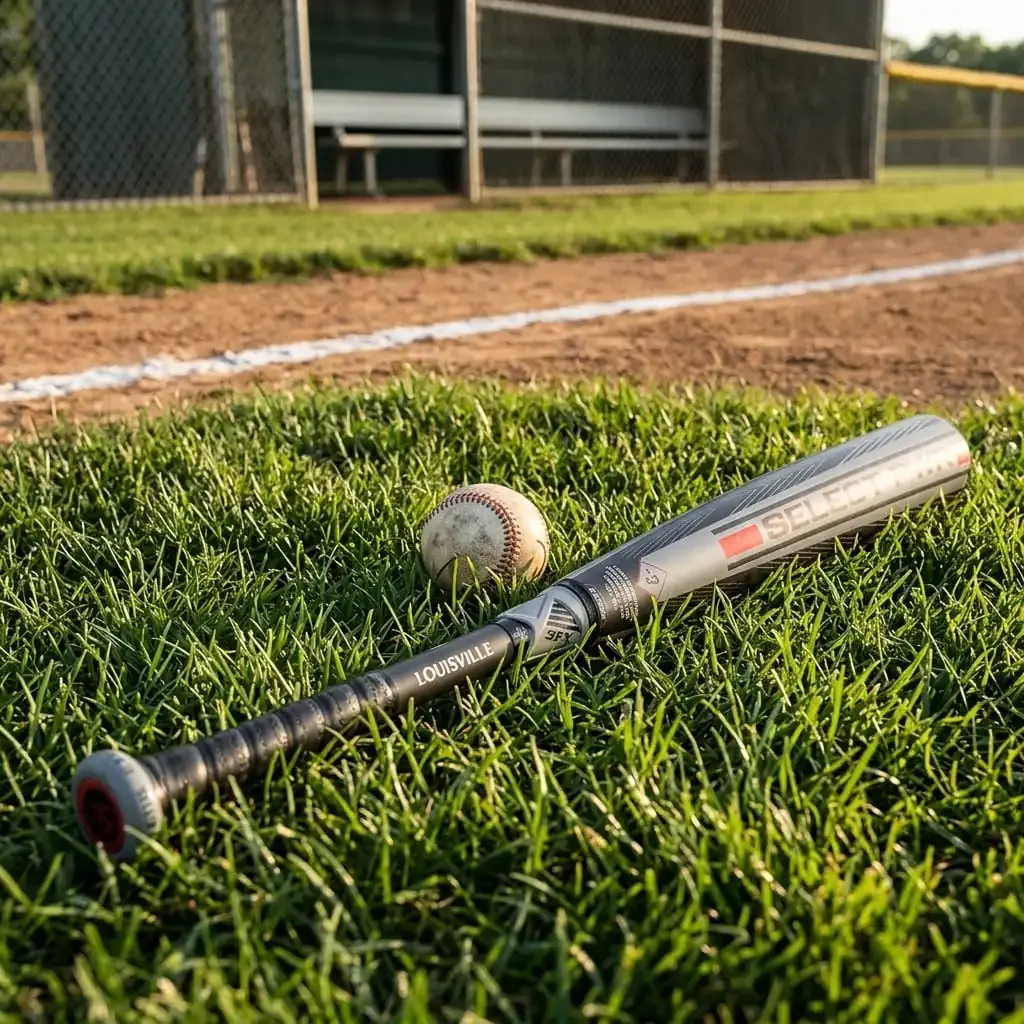
Best for Strong Power Hitters
This is a hybrid bat with an alloy barrel and composite handle.
Why power hitters gravitate to it:
- End-loaded feel
- Tremendous barrel mass
- Excellent energy transfer
- Built for driving baseballs deep
It's not for everyone. If you're a smaller player, it may feel heavy. But bigger, stronger hitters often swear by it.
Best for: Corner infielders and power hitters seeking maximum slugging potential.
If your son is the biggest kid on the team and already has real strength behind the swing, this is exactly the kind of bat that can become a weapon.
The mistake parents make is assuming every hitter should swing the most balanced bat on the rack. That's not how baseball works. A smaller middle infielder trying to spray line drives has a different job than a physically mature hitter who can drive the ball into the gaps and over fences.
The Select PWR leans into that reality.
It's got an end-loaded feel. More mass out toward the barrel. For some hitters, that feels like dragging a sledgehammer through the zone. For a strong player, though, it can feel like free power. Same swing. More barrel behind it.
I've seen plenty of hitters take batting practice with ultra-balanced bats and look great. Clean mechanics. Fast hands. Then they switch to a bat like the Select PWR, and suddenly the deep fly balls start scraping the tops of fences instead of dying on the warning track.
That's where this bat shines.
The tradeoff is simple:
If you're strong enough to control it, the bat rewards you.
If you're not, it exposes you.
There's not much middle ground.
For a bigger, stronger hitter, I'd actually rank the bats something like this:
- Louisville Slugger Select PWR
- Marucci CATX2
- Louisville Slugger Atlas
- Rawlings Clout AI
- Victus Vandal
When a hitter steps into the box believing this thing punishes baseballs, that's worth something.
Sometimes a lot.
And honestly? Once a kid finds a bat that makes him smile after batting practice, I'm usually more interested in helping him get stronger and swing faster than convincing him to switch bats. The next 20 feet of distance is far more likely to come from the weight room and quality swings than from a different logo on the barrel.