There was a phase where my daughter pitched like she was carrying an invisible backpack full of bricks. You’d watch her from the stands, cheering, and then suddenly she’d start bending forward… slowly… slowly… until she resembled a tiny, determined gremlin trying her best to throw a riseball.
It wasn’t her fault. She was tired, overworking her front muscles, and had basically zero upper‑back strength holding her posture together. It made her mechanics fall apart, and she’d lose speed, accuracy, and confidence all at once.
Then she added the Reverse Row to her 5-band workout.
It's the only workout she does. You can buy any set of workout bands. We bought these because they are cheap, and we buy everything on Amazon.
Not once a week. Not “when she remembered.” Every. Single. Day.
And look, I’m not saying it changed her life, but also… it kind of did.
The Reverse Row: the muscle-balancer your pitcher didn’t know she needed
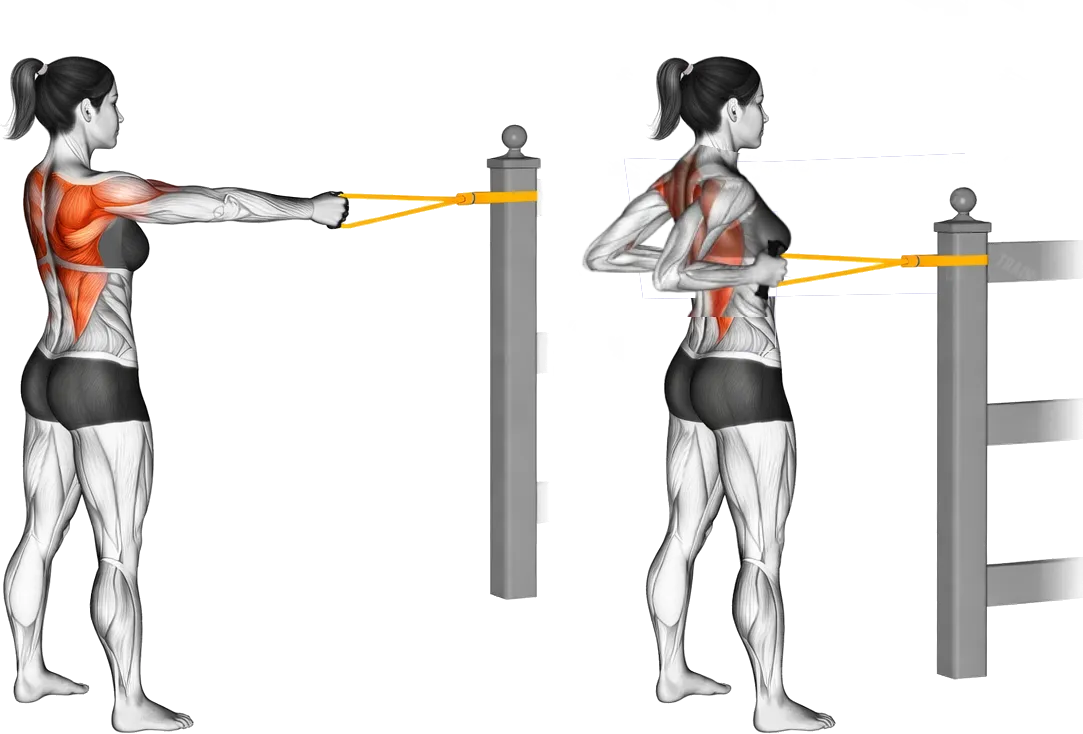
Here’s the thing no one warns you about with softball pitchers: they get incredibly strong in the front of their bodies, pecs, anterior delts, lats, while the muscles that should be anchoring their shoulder blades quietly take a vacation.
Reverse rows fix that imbalance.
They hit the mid traps, rhomboids, and rear delts. Basically, the muscles whose job is to pull the shoulders back where they belong. The ones that keep a pitcher standing tall instead of slowly melting downward as the game goes on.
Once my daughter started training those muscles intentionally, everything shifted. Her whole body looked… aligned. Like her shoulder blades finally had a home address again.
What changed once she added them
The first thing we noticed was her posture.
She stopped doing the gremlin slump, a term she coined herself. (We still tease her about it, lovingly.)
Then came the pitching benefits:
Her arm circle stayed taller and cleaner.
Her shoulders didn’t roll forward on long days.
She stopped losing power in the late innings.
Even her stride looked different: more driven, less collapsed.
And my favorite one?
She looked confident. Like a pitcher who owned the mound instead of surviving it.
Reverse rows are sneaky like that; they’re not flashy, but they make every other part of the delivery look smoother, stronger, and way less exhausting.
Her Reverse Row routine (the version that actually worked)
She attaches a resistance band at chest height.
Stands tall.
Reaches forward.
And rows back, pulling her shoulder blades together like she’s trying to trap a firefly between them.
Not yanking. Not swinging. Not turning it into a weird cardio dance.
Just clean, controlled reps.
How Many and How Often?
Here’s exactly what the expert recommended for my daughter, and what’s worked insanely well for her since:
Her coach had her start with:
- 2–3 sets
- 12–15 reps
- Light band. (The second the form gets sloppy, she switches to lighter)
- Slow tempo. Seriously, slow is where the magic happens.
It was the consistency that made the difference, not the intensity. Every. Day.
The pitcher she is now
She doesn’t fold forward anymore.
She doesn’t drag late in games.
And watching her pitch now, you get this sense that her body is supporting her instead of working against her.
And honestly, it all started with the reverse row, a humble little band exercise that quietly rebuilt the upper‑back strength she’d been missing all along.
Check out all 5 exercises she does with bands below: